
Blogs
BPC-157 in Sports Recovery – Can Peptides Help in Regaining Fitness?
Mar
Every athlete—whether professional or recreational—knows that progress isn’t just built in training, but in recovery. Muscle strain, tendon stress, and minor injuries are part of the journey. That’s why compounds like BPC-157 have become a growing focus in research surrounding recovery and tissue repair.

I once spoke with a fitness enthusiast who had just returned from a long layoff. He said, “Getting back into training wasn’t the hard part—recovering between sessions was.” That gap between effort and recovery is exactly where peptides like BPC-157 are being studied.
What Is BPC-157?
A Regenerative Research Peptide
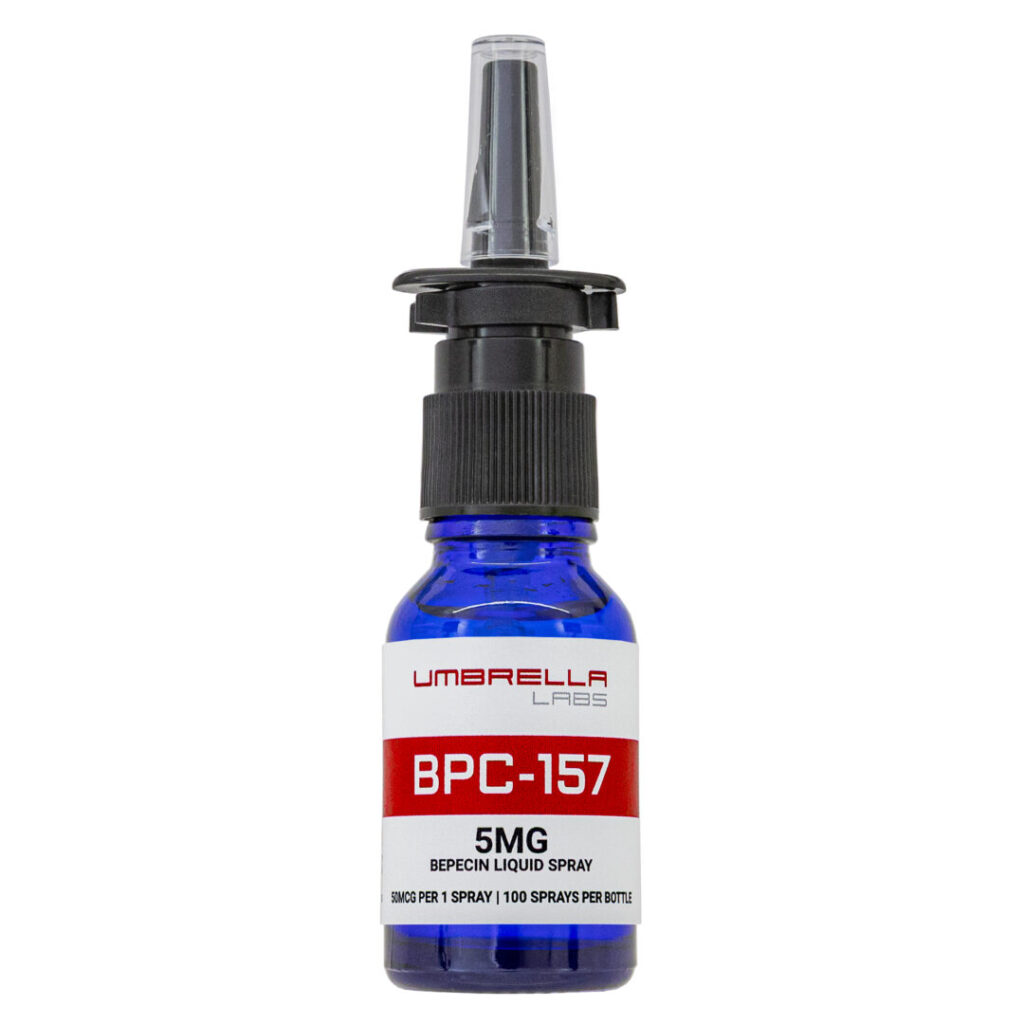
BPC-157 (Body Protection Compound-157) is a synthetic peptide derived from a protein found in gastric juice. In research settings, it is explored for its potential role in:
- Tissue repair processes
- Inflammatory response modulation
- Cellular regeneration pathways
Why It’s Gaining Attention in Sports Research
Unlike traditional approaches that target symptoms, BPC-157 is being studied for how it may influence underlying healing mechanisms—making it particularly relevant in recovery-focused research.
How BPC-157 May Support Sports Recovery
Tissue Repair and Regeneration
One of the primary areas of interest is its potential to support:
- Muscle fiber recovery
- Tendon and ligament repair
- Cellular regeneration after stress
Researchers are especially interested in how it may accelerate the healing timeline in controlled environments.
Inflammation Modulation
Inflammation is a natural response to training and injury—but excessive inflammation can delay recovery.
Studies suggest BPC-157 may:
- Help regulate inflammatory signals
- Support a balanced healing response
- Reduce prolonged tissue stress
As one researcher noted, “Recovery isn’t about eliminating inflammation—it’s about controlling it.”
Improved Recovery Cycles
Athletes often struggle with delayed recovery between sessions. BPC-157 is being examined for its potential to:
- Shorten recovery intervals
- Support consistent performance
- Reduce downtime after strain
This makes it a valuable subject in performance and endurance research models.
A Real-World Perspective: Small Gains, Big Impact
During a controlled observation study involving training-induced stress, a research team tracked recovery markers over several weeks.
One participant described the difference:
“It wasn’t dramatic overnight. But I noticed I could train again sooner—and that made all the difference.”
This highlights an important point: in recovery science, incremental improvements can lead to significant long-term progress.
Potential Applications in Research
Sports Injury Models
BPC-157 is widely studied in:
- Muscle strain recovery models
- Tendon and ligament research
- Post-injury healing environments
Performance and Endurance Studies
Researchers explore its role in:
- Recovery optimization
- Training frequency analysis
- Fatigue management
Cellular and Molecular Research
It is also used to investigate:
- Angiogenesis (formation of new blood vessels)
- Cell signaling pathways
- Tissue repair mechanisms
Supporting Research and Insights
Emerging data in peptide research suggests:
- Tissue repair involves complex cellular signaling networks
- Regulating inflammation is key to effective recovery
- Peptides may help isolate and study these processes
Experts emphasize that while findings are promising, ongoing research is essential to fully understand mechanisms and applications.
Storage and Handling Guidelines
To maintain peptide stability:
- Store in a cool, dry place away from light
- Keep refrigerated at 2–8°C after reconstitution
- Avoid repeated freeze–thaw cycles
- Use only in controlled research environments
Frequently Asked Questions (FAQ)
What is BPC-157 used for in research?
It is studied for its role in tissue repair, inflammation control, and recovery processes.
Can it help athletes recover faster?
Research suggests it may support faster recovery cycles, but studies are ongoing.
Is it only for injury-related research?
No, it is also used in performance and endurance studies.
Is BPC-157 approved for human use?
No. It is strictly intended for research purposes only.
How should it be stored?
Store in a cool, dry place and refrigerate after reconstitution at 2–8°C.
Final Thoughts
So, can peptides like BPC-157 help in regaining fitness? The research points toward a promising possibility. Rather than acting as a quick fix, BPC-157 is being explored as a tool to better understand how the body repairs, adapts, and recovers.
What makes it particularly compelling is its focus on the foundation of recovery—cellular repair, inflammation balance, and tissue resilience. As research evolves, peptides like BPC-157 may continue to shape how we approach recovery in sports science.
And in the end, as every athlete learns, recovery isn’t just part of the process—it is the process.
