
Blogs
BPC-157 Peptide Sets Available
Mar
Injuries and overloads are a natural part of physical activity, regardless of the level of experience. Even a well-planned training schedule doesn’t always protect against micro-injuries, tissue tension, or overload of tendons and ligaments. That’s why more and more physically active people are looking for solutions that can support the body during the rebuilding phase and return to full fitness. In this context, peptides for injuries are mentioned especially often, and one of the most frequently discussed compounds is precisely BPC-157 peptides.
The growing interest in this topic comes down to a simple reason: in sports and training, it’s not just the effort itself that matters, but also how quickly and effectively the body can recover. The better the recovery, the greater the chance to maintain consistency, reduce training breaks, and lower the risk of worsening overloads. That’s why BPC-157 is now studied not only as a scientific subject but also as part of a modern approach to supporting the body’s recovery.

What is BPC-157 and why does it interest athletes?
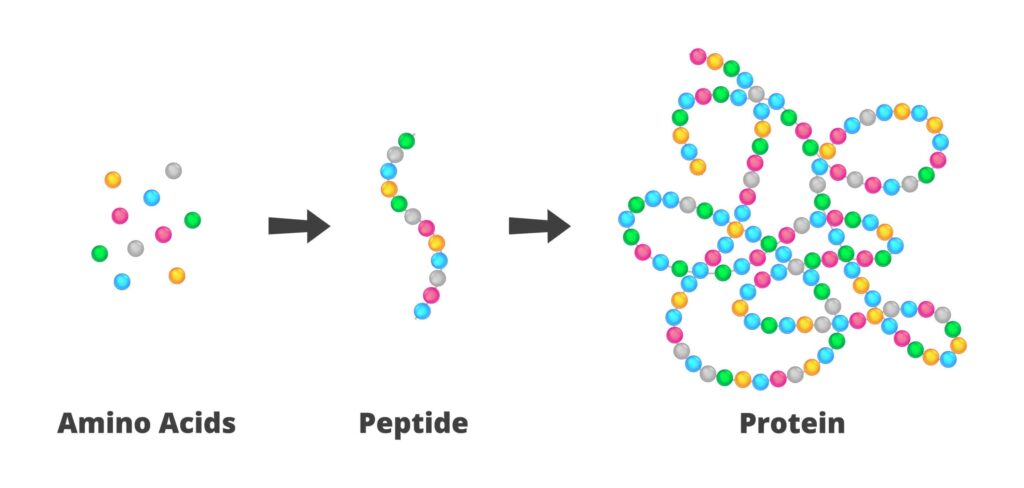
BPC-157 peptides are short chains of amino acids derived from a fragment of a protein found in gastric juice. In scientific studies, their effects are mainly analyzed in the context of regenerative processes, tissue protection, and support for the body’s natural repair mechanisms. It is this potential that has sparked interest not only among researchers but also among physically active people.
Athletes are mainly interested in the fact that BPC-157 peptides are often discussed in the context of repairing tissues exposed to intense effort. This concerns not only muscles but also tendons, ligaments, and other structures of the musculoskeletal system, which are very often overloaded during regular training. In practice, these tissues tend to be the weakest link in the process of returning to full fitness after an injury or an intense training cycle.
Interest in this peptide also comes from the fact that physically active people are increasingly looking at recovery strategically. It’s no longer just about rest and protein after training, but a more comprehensive approach to rebuilding the body. In this model, peptides for injuries become one of the topics that naturally draws attention.
How do BPC-157 peptides work in the context of injuries?
The greatest interest around BPC-157 is precisely its potential mechanism of action. Experimental studies analyze several biological processes that may be important for the body’s regeneration after injuries, micro-injuries, and long-term training overloads. It’s this multi-directional potential that makes BPC-157 peptides seen as one of the most interesting topics in the field of supporting tissue repair.
It’s worth emphasizing that in the context of regeneration, it’s not just about “healing” in the simple sense of the word. After an injury, the body needs support on many levels at once: improved blood flow, limiting excessive inflammation, rebuilding tissue structure, and restoring their function. That’s why the topic of BPC-157’s action is discussed in several complementary aspects.
Support for regeneration of damaged tissues
One of the most frequently discussed mechanisms of BPC-157 peptides is their potential effect on regeneration of damaged tissues. Research analyzes processes such as rebuilding muscles, tendons, ligaments, and soft tissues, which very often suffer from overload during training. This is important because these structures most often determine whether the return to activity will be quick and safe.
In practice, this means that peptides for injuries are mainly considered as support for the body’s natural repair mechanisms. Physically active people are especially interested in them when they want to shorten the period of limited mobility and better support tissues stressed by intense effort. This approach is particularly important for recurring overloads, when the body can’t keep up with full recovery between training sessions.
Stimulation of angiogenesis – the formation of new blood vessels
One of the most interesting mechanisms discussed in the context of BPC-157 peptides is their potential effect on angiogenesis, the process of forming new blood vessels. This is hugely important for tissue regeneration because a good network of blood vessels means better transport of oxygen, nutrients, and substances that support the repair of the damaged area.
In practice, better blood flow can mean more effective tissue regeneration after injury or intense exertion. This is especially important for tendons and ligaments, which are naturally less vascularized than muscles and therefore often regenerate more slowly. That’s why the topic of angiogenesis comes up so often when discussing peptides for injuries and their potential impact on restoring function.
Support for anti-inflammatory processes
Injuries and overloads are very often accompanied by inflammation, which on one hand is a natural part of the repair process, but on the other – if it lasts too long or is too intense – can prolong recovery time and increase discomfort. That is why studies on BPC-157 peptides often analyze their potential impact on processes related to the body’s inflammatory response.
In practice, support in this area can mean less swelling, better movement comfort, and an easier return to activity. This aspect is why peptides for injuries are discussed not only by people recovering from injuries but also by those dealing with chronic training overload or recurring discomfort in joints and soft tissues.
The most common injuries discussed in relation to BPC-157
In the sports community, BPC-157 peptides most often appear in the context of injuries and overloads that are not always dramatic but can effectively take someone out of regular training. Often, these are not severe, sudden injuries but problems that develop gradually – micro-injuries, overloads, and chronic tissue tensions that over time begin to limit mobility, comfort of movement, and training ability.
The most frequently discussed situations involve muscle strains, tendon overloads, ligament problems, or injuries caused by repetitive stress. It is precisely in such cases that the topic of peptides for injuries comes up most often, because recovery requires not only rest but often also long-term support for the body.
- muscle strains
- tendon overloads
- ligament damage
- micro-injuries resulting from intense training
- joint overload injuries
However, it is worth remembering that most data on the effects of BPC-157 come from experimental studies, so all conclusions should be treated with caution and common sense.
BPC-157 and returning to training
For people training, one of the toughest moments is not the injury itself, but the period of returning to full activity. Resuming training too quickly can prolong the problem, while too long a break often leads to a drop in fitness and frustration. That is why the topic of recovery after injuries and overloads is so important in the world of sports.
In this context, BPC-157 peptides are often discussed as an element supporting the body in the rebuilding process and gradual return to full fitness. They are mainly mentioned when the goal is to improve recovery comfort, support tissues after intense strain, and help maintain continuity in the training process.
The most commonly indicated areas here include:
- tissue rebuilding after micro-injuries
- recovery after intense training
- returning to activity after overuse injuries
- supporting the body during rehabilitation
In this area, it is worth mentioning the BPC-157 peptide, which was developed to support the regeneration of muscles, tendons, and bones after intense physical effort. The product supports the body’s natural regenerative processes and may help increase tissue resistance to micro-injuries caused by regular training. This is especially interesting for people who want to approach recovery not only temporarily but also strategically and long-term.
How can BPC-157 peptides support the body’s regeneration?
| Area of effect | How it can support regeneration |
|---|---|
| Muscles | Supports recovery after training micro-injuries |
| Tendons | Helps regenerate overloaded tissues |
| Ligaments | Supports repair processes after injuries |
| Soft tissues | May support natural healing processes |
| Blood vessels | Supports the angiogenesis process |
This multifaceted approach means that BPC-157 is discussed not as a “one-problem” solution, but rather as an element supporting the body during periods of increased strain and recovery.
Can peptides for injuries replace rehabilitation?
Although the topic of peptides for injuries is becoming increasingly popular, it is important to clearly emphasize that they should not be treated as a substitute for rehabilitation, physiotherapy, or a well-designed return-to-activity plan. The recovery process after an injury is complex and usually requires a combination of several elements: rest, rebuilding, gradual movement, and consciously guiding the body through the stages of returning to form.
The best results in regaining fitness are usually achieved when supplemental support is part of a larger strategy. Such a strategy typically includes:
- an appropriate rehabilitation plan
- gradual return to training
- recovery and rest
- proper nutrition
- supplemental support
In this model, BPC-157 peptides can be seen as a support element for the body’s natural regenerative processes, rather than a solution acting independently from the rest of the process.
Summary
BPC-157 peptides are today among the most frequently discussed topics in the context of sports regeneration and body support after injuries. Interest in them mainly stems from their potential impact on repair processes such as tissue regeneration, angiogenesis, and support of the body’s response to overloads and injuries. This makes them increasingly analyzed as modern support for physically active individuals.
In practice, peptides for injuries are most often associated with rebuilding muscles, tendons, ligaments, and other soft tissues, as well as faster recovery after intense effort. Although research on BPC-157 is still developing, it is already clear that this topic has become a permanent part of the discussion about body regeneration and a more conscious approach to training.
