Blogs
What Is Ketamine? Uses, Benefits, Risks, and How It Works
Jul
Ketamine has gained significant attention in recent years for its role in anesthesia and its potential use in treating certain mental health conditions. While many people know ketamine as an anesthetic, researchers have also explored its effects on treatment-resistant depression and other conditions under strict medical supervision.
This guide explains what ketamine is, how it works, its approved medical uses, potential benefits, risks, and frequently asked questions.
What Is Ketamine?
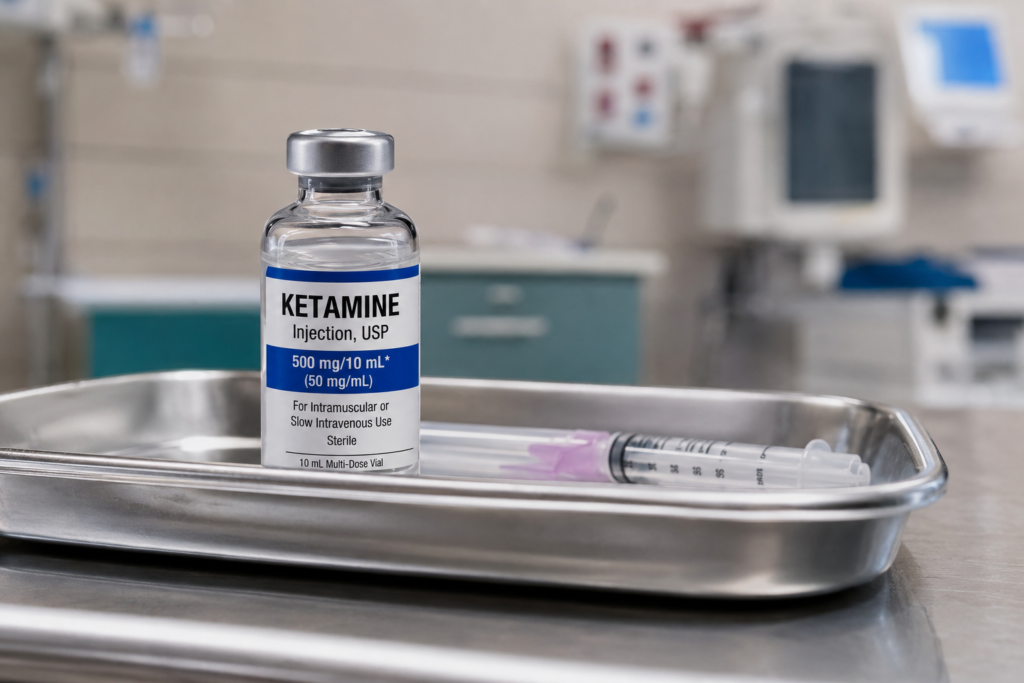
Ketamine is a dissociative anesthetic that has been used in medical practice since the 1970s. It is commonly administered by trained healthcare professionals during surgical procedures and emergency care because it provides anesthesia, pain relief, and sedation while generally preserving breathing and cardiovascular function better than many other anesthetics.
Today, ketamine is also being studied and, in some settings, used under medical supervision for specific mental health conditions, including treatment-resistant depression.

How Does Ketamine Work?
Ketamine primarily works by blocking N-methyl-D-aspartate (NMDA) receptors, which are part of the brain’s glutamate signaling system. This action differs from traditional antidepressants, which mainly target serotonin or norepinephrine.
Researchers believe ketamine may help promote new neural connections in certain brain regions, although scientists continue to study its exact mechanisms.
Approved Medical Uses of Ketamine
Healthcare professionals may use ketamine for:
- General anesthesia
- Procedural sedation
- Emergency medicine
- Pain management in selected clinical situations
In addition, some healthcare providers administer ketamine under carefully monitored conditions for certain psychiatric disorders where appropriate.
Ketamine Therapy for Depression
One of the most researched emerging uses of ketamine is for treatment-resistant depression. Some patients who have not responded to conventional antidepressants may experience rapid symptom improvement following medically supervised ketamine treatment.
It is important to note that ketamine therapy should only be provided by qualified healthcare professionals after a thorough medical evaluation. It is not suitable for everyone, and treatment plans vary depending on the patient’s medical history and condition.
Potential Benefits
When used appropriately in a clinical setting, ketamine may offer several potential benefits:
- Rapid onset compared with many traditional antidepressants
- Effective anesthesia during surgical procedures
- Pain relief in specific medical situations
- Potential improvement in depressive symptoms for carefully selected patients
Research continues to evaluate the long-term effectiveness and safety of ketamine therapy.
Possible Side Effects
Like all medications, ketamine can cause side effects. These may include:
- Dizziness
- Nausea or vomiting
- Increased blood pressure
- Blurred vision
- Drowsiness
- Temporary dissociation or altered perception
Patients receiving ketamine are typically monitored throughout treatment to help manage any side effects that may occur.
Risks and Safety Considerations
Ketamine should only be used under the supervision of qualified healthcare professionals. Misuse or non-medical use can increase the risk of serious adverse effects, including psychological dependence, cognitive impairment, and injury related to altered awareness.
Before treatment, healthcare providers consider factors such as medical history, current medications, cardiovascular health, and psychiatric history.
Ketamine vs. Esketamine
Although related, ketamine and esketamine are not the same.
Ketamine contains two mirror-image forms (enantiomers), while esketamine contains only one of those forms. Esketamine is available as a prescription nasal spray for specific patients with treatment-resistant depression and is administered under strict medical supervision.
Frequently Asked Questions
Is ketamine an antidepressant?
Ketamine is not classified as a traditional antidepressant. However, it has shown antidepressant effects in some patients when used under medical supervision.
How quickly does ketamine work?
For anesthesia, ketamine acts within minutes. In psychiatric treatment, some patients may notice symptom improvement relatively quickly, although responses vary.
Is ketamine safe?
When administered by qualified healthcare professionals in appropriate medical settings, ketamine has an established safety profile. Like all medications, it carries risks and requires careful patient evaluation and monitoring.
Can ketamine cause side effects?
Yes. Side effects can include nausea, dizziness, temporary dissociation, increased blood pressure, and drowsiness. Healthcare providers monitor patients during treatment to manage these effects.
Key Takeaways
Ketamine remains an important medication in modern medicine because of its established role in anesthesia and its emerging applications in mental health care. Ongoing research continues to improve our understanding of its benefits, limitations, and appropriate clinical use.
Anyone considering ketamine treatment should discuss the potential benefits and risks with a qualified healthcare professional to determine whether it is appropriate for their individual circumstances.
