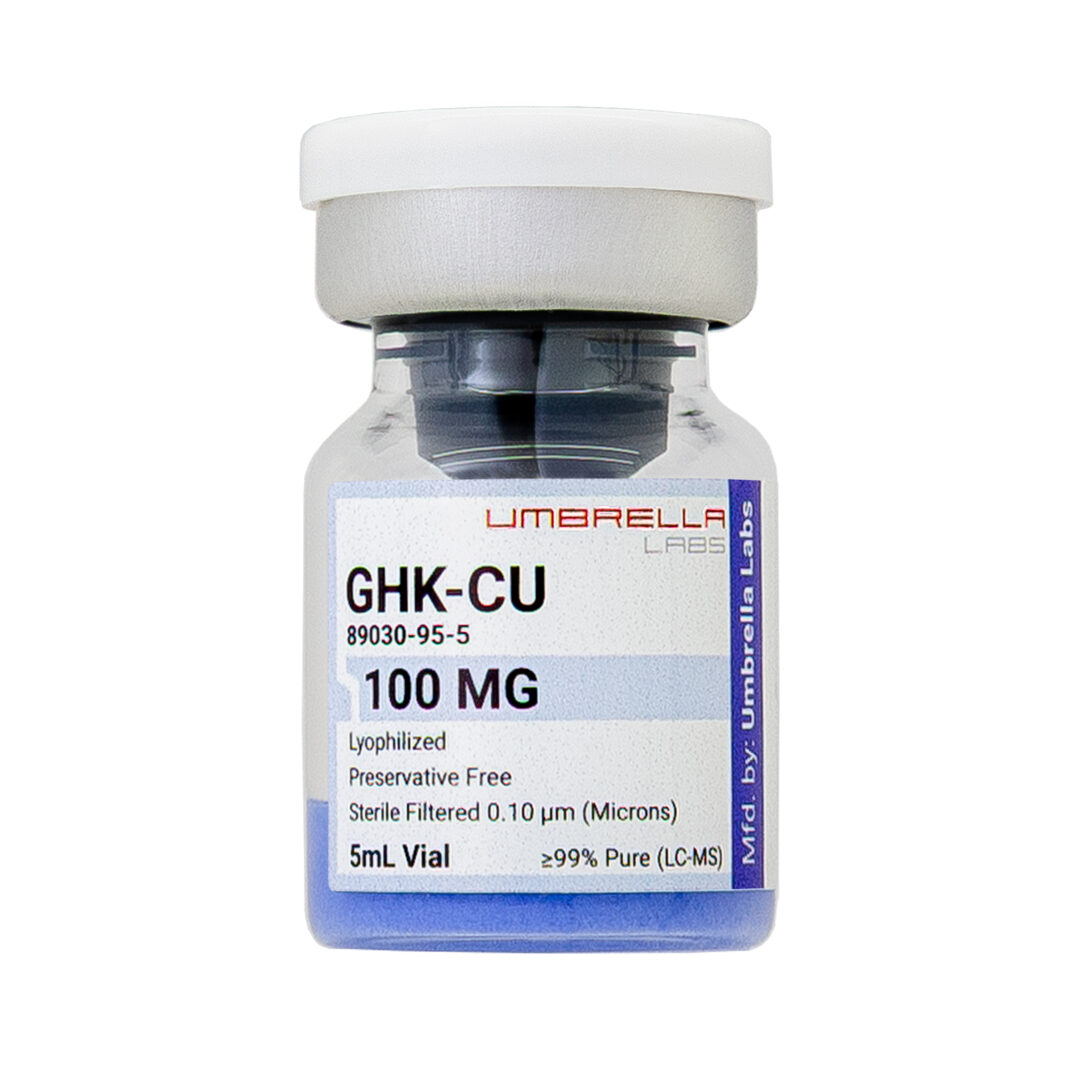
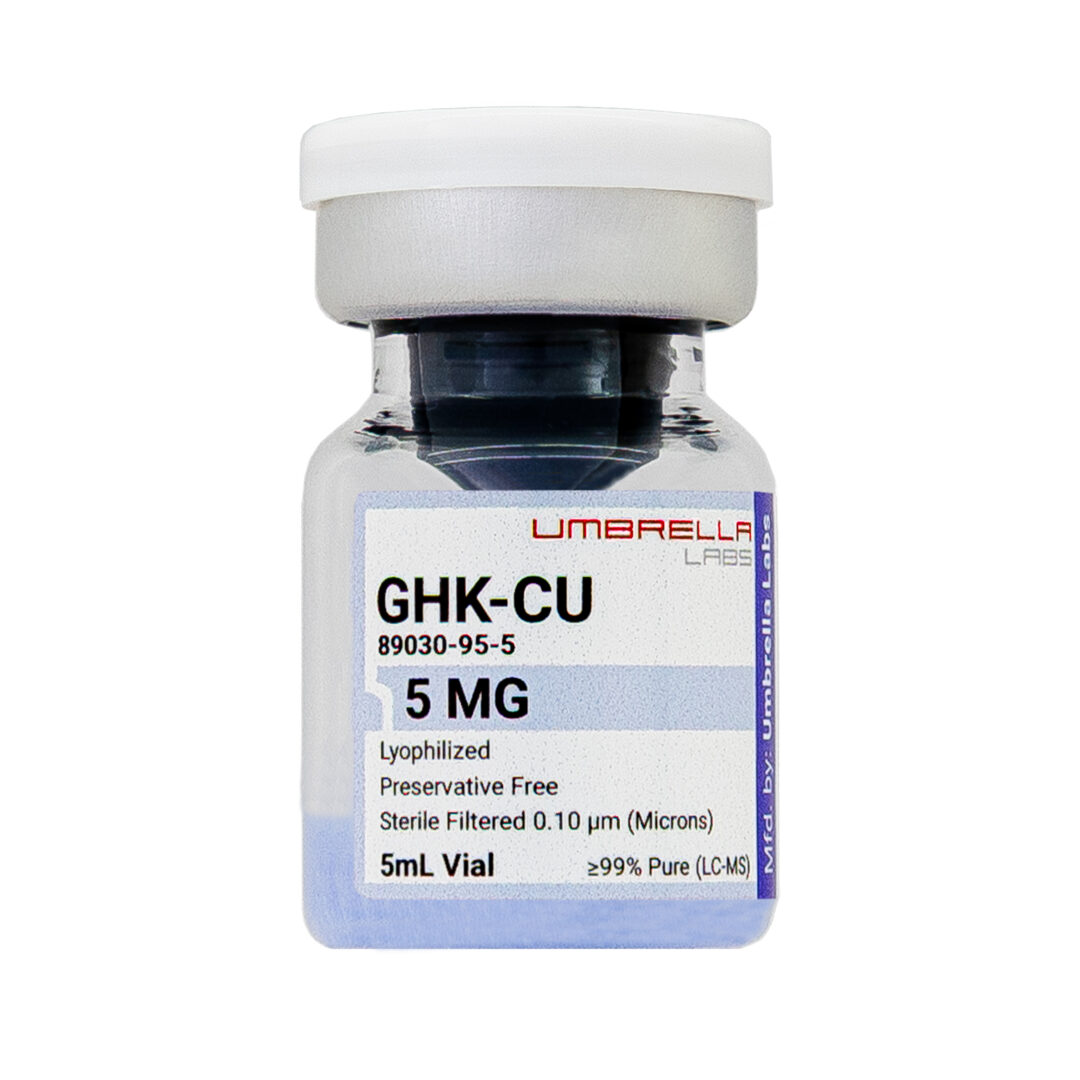
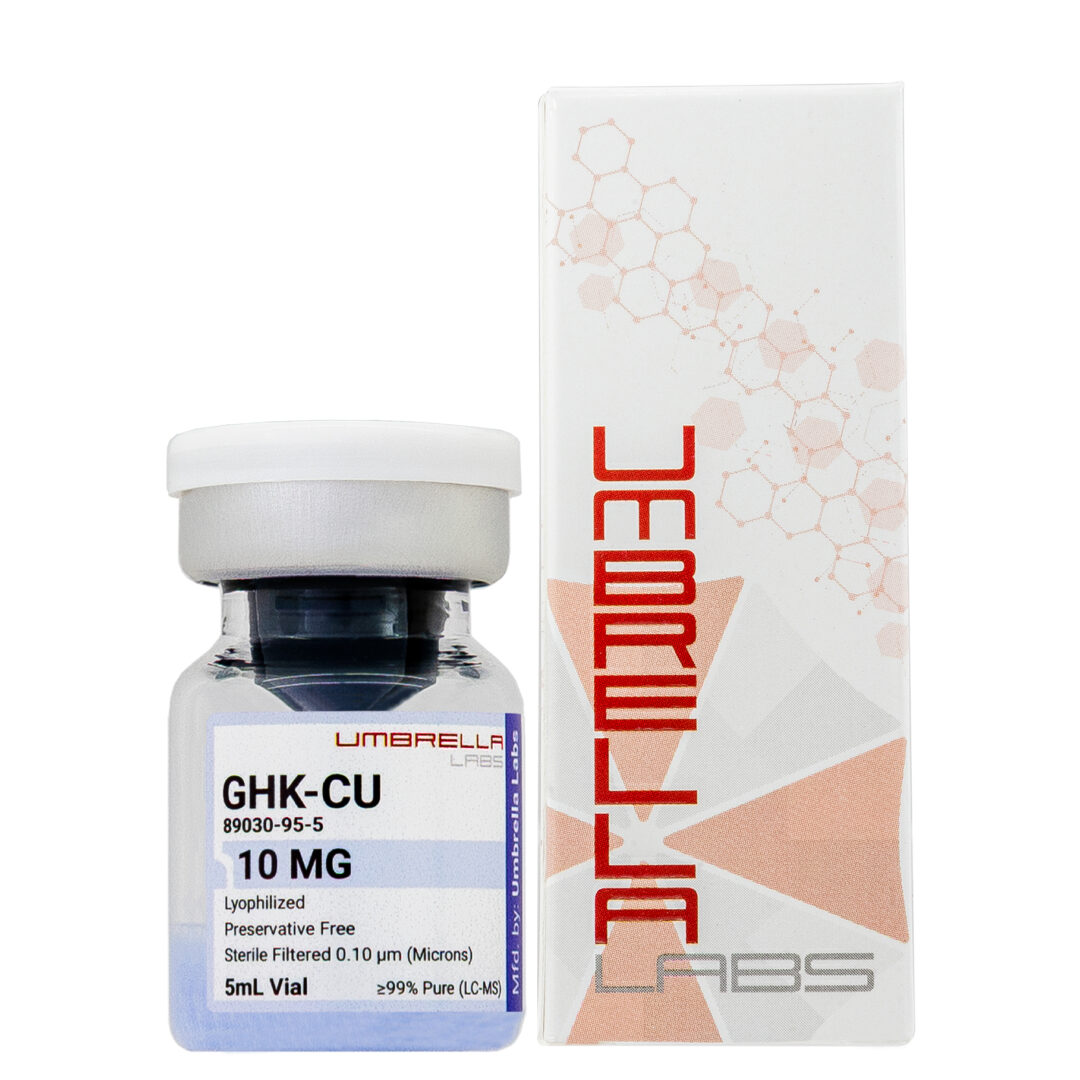
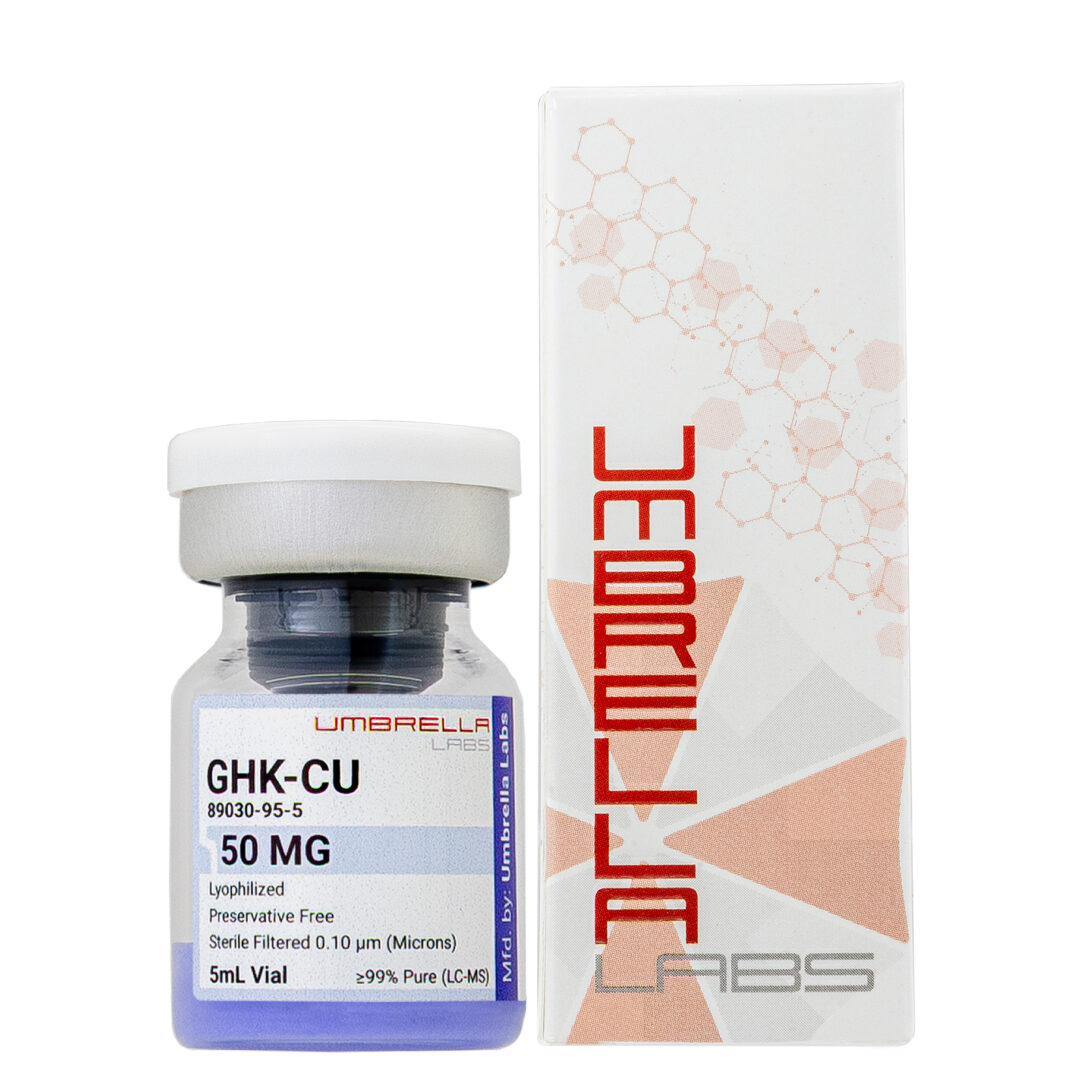
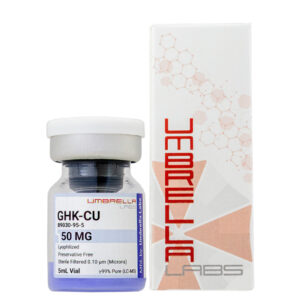
GHK-Cu Copper Peptide 5mg / 10mg / 50mg / 100mg Vial
Rango de precios: desde €19.99 hasta €89.99
GHK-Cu is sold for laboratory research use only. Terms of sale apply. Not for human consumption, nor medical, veterinary, or household uses. Please familiarize yourself with our Terms & Conditions prior to ordering.
GHK-Cu Copper Peptide 5mg / 10mg / 50mg / 100mg Vial
GHK-Cu Copper Peptide is a naturally occurring copper-binding peptide that has gained significant attention in peptide and regenerative research. Available in 5mg, 10mg, 50mg, and 100mg vials, GHK-Cu is widely studied for its potential role in tissue repair, collagen production, and skin regeneration pathways.
Originally identified in human plasma, GHK-Cu is known for its ability to bind copper ions and influence biological processes related to cellular repair and tissue remodeling. Because of these properties, researchers frequently explore this peptide in studies focused on skin health, wound healing, hair growth signaling, and anti-aging biology.
As interest in regenerative science grows, GHK-Cu continues to be a popular compound for studying how peptides may support collagen synthesis, antioxidant activity, and cellular communication within tissues.
| Número CAS | 89030-95-5 |
| Otros nombres | Prezatide copper acetate, BCP16167, GHK-Cu(Prezatide Copper Acetate), BCP16167 |
| Nombre IUPAC | copper;acetic acid;6-amino-2-[[2-[(2-aminoacetyl)amino]-3-(1H-imidazol-5-yl)propanoyl]amino]hexanoic acid |
| Fórmula molecular | C₁₆H₂₈CuN₆O₆⁺² |
| Peso molecular | 463.98 |
| Pureza | ≥99% Puro (LC-MS) |
| Material Safety Data Sheet (MSDS) | View Material Safety Data Sheet |
| Disponibilidad de líquido | 15mL (~100 sprays) liquid spray bottle (2mg/spray, 200mg total)
30mL (~200 sprays) liquid spray bottle (2mg/spray, 400mg total) |
| Disponibilidad de polvo | 60 capsules (2mg/capsule, 120mg total bottle)
5 milligrams vial, 10 milligrams vial, 50 milligrams vial, 100 milligrams vial (lyophilized/freeze-dried) |
| Condición de almacenamiento | Consérvese en frío, manténgase refrigerado. NO congelar. |
| Términos | Todos los productos son exclusivamente para uso en investigación y desarrollo de laboratorios. Los productos no son aptos para el consumo humano. |
What Is GHK-Cu Copper Peptide?
GHK-Cu is a tripeptide composed of glycine, histidine, and lysine bound to a copper ion. This naturally occurring molecule is found in plasma, saliva, and urine and is believed to play a role in tissue repair and regeneration processes.
Why Researchers Study GHK-Cu
Collagen and Skin Regeneration
GHK-Cu is commonly studied for its influence on collagen production and skin tissue remodeling.
Wound Healing and Tissue Repair
Researchers explore its potential role in supporting cellular repair and regenerative pathways.
Hair and Skin Biology
The peptide is also investigated in studies related to hair follicle health and skin rejuvenation mechanisms.
Calidad y pureza del producto
Cada GHK-Cu peptide vial se produce bajo condiciones de laboratorio controladas para garantizar high purity, stability, and consistency for research purposes. Proper storage and handling help maintain peptide integrity and reliable experimental results.
Preguntas Frecuentes (FAQ)
What is GHK-Cu copper peptide used for in research?
GHK-Cu is commonly studied for its potential role in collagen production, tissue repair, wound healing, and skin regeneration pathways.
Why is GHK-Cu popular in peptide research?
It is a naturally occurring peptide that may influence cellular repair, antioxidant activity, and regenerative biological processes.
What makes GHK-Cu different from other peptides?
GHK-Cu binds to copper ions, which may help regulate biological processes related to tissue remodeling and cell communication.
How should GHK-Cu peptides be stored?
Los péptidos deben conservarse en un lugar fresco y seco, y tras su reconstitución suelen ser refrigerado para mantener la estabilidad.
| Cantidad | 100 Milligrams Vial, 50 Milligrams Vial, 10 Milligrams Vial, 5 Milligrams Vial |
|---|
Sé el primero en valorar “GHK-Cu Copper Peptide 5mg / 10mg / 50mg / 100mg Vial”
Productos relacionados
Umbrella Labs
Umbrella Labs
Umbrella Labs
Umbrella Labs
Valoraciones
No hay valoraciones aún.