Anti-Anxiety: Understanding Causes, Treatments, and Natural Ways to Manage Anxiety
Anxiety is a natural response to stress or perceived danger. However, when anxiety becomes persistent or overwhelming, it may develop into an anxiety disorder that affects daily life. Anti-anxiety approaches—including therapy, lifestyle changes, and medications—can help individuals manage symptoms and improve overall well-being.
Conditions such as Generalized Anxiety Disorder and Panic Disorder are among the most common anxiety disorders treated by healthcare professionals. Understanding the available treatment options is an important step toward better mental health.
What Is Anxiety?
Anxiety is the body’s natural reaction to stress. It often involves feelings of worry, fear, or nervousness about situations or future events. While occasional anxiety is normal, chronic anxiety may interfere with work, relationships, and overall quality of life.
Common Symptoms of Anxiety
People experiencing anxiety may notice symptoms such as:
-
Excessive worrying
-
Rapid heartbeat
-
Difficulty concentrating
-
Restlessness or irritability
-
Trouble sleeping
These symptoms can vary in intensity depending on the individual and the specific anxiety disorder.
Common Anti-Anxiety Treatments
Therapy and Counseling
Psychological therapies, particularly cognitive behavioral therapy (CBT), are widely used to help individuals identify and change patterns of thinking that contribute to anxiety.
Prescription Medications
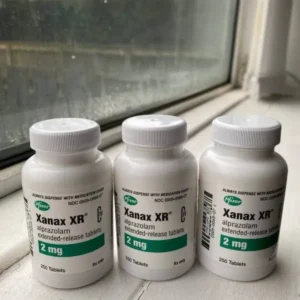
Healthcare providers may prescribe medications to manage anxiety symptoms. One example is Clonazepam, which may be used short-term to reduce severe anxiety or panic attacks under medical supervision.
Lifestyle and Stress Management
Healthy lifestyle practices can significantly reduce anxiety symptoms, including:
-
Regular exercise
-
Balanced nutrition
-
Adequate sleep
-
Stress management techniques
Natural Ways to Reduce Anxiety
Mindfulness and Meditation
Mindfulness practices can help individuals focus on the present moment and reduce overthinking or worry.
Breathing Techniques
Deep breathing exercises can help calm the nervous system and lower physical stress responses.
Physical Activity
Exercise promotes the release of endorphins, which are natural chemicals that help improve mood and reduce stress.
When to Seek Professional Help
If anxiety becomes persistent, severe, or interferes with daily life, it may be beneficial to seek guidance from a mental health professional. Early intervention can improve treatment outcomes and help individuals regain control over their mental health.
Frequently Asked Questions (FAQs)
What are anti-anxiety treatments?
Anti-anxiety treatments include therapy, medications, lifestyle changes, and stress-management techniques designed to reduce anxiety symptoms.
What causes anxiety disorders?
Anxiety disorders may develop due to a combination of genetic, environmental, and psychological factors.
Are medications necessary for anxiety?
Not always. Many people benefit from therapy and lifestyle changes, though medications may be recommended for moderate to severe cases.
Can exercise help with anxiety?
Yes. Regular physical activity can help reduce stress hormones and improve mood, which may ease anxiety symptoms.
How can I manage anxiety naturally?
Practices such as meditation, breathing exercises, and maintaining healthy daily routines can help manage mild anxiety.
Anti-Anxiety

Anti-Anxiety
Anti-Anxiety
Anti-Anxiety
Anti-Anxiety
Anti-Anxiety
Anti-Anxiety