
Human Growth Hormone (HGH): Functions, Benefits, and Medical Uses
Human Growth Hormone, commonly known as HGH, is a naturally occurring hormone produced by the Pituitary Gland. It plays a crucial role in growth, metabolism, and overall body development. HGH is essential during childhood and adolescence for proper physical growth, but it also continues to support important bodily functions in adults.
In modern medicine, synthetic HGH has been developed to treat specific medical conditions related to hormone deficiencies.
What Is Human Growth Hormone (HGH)?
Human Growth Hormone is a peptide hormone responsible for stimulating growth, cell regeneration, and metabolism. It works by influencing the production of other hormones and growth factors that regulate tissue development throughout the body.
Natural HGH Production
The body releases HGH in pulses throughout the day, with the largest release typically occurring during deep sleep. Natural HGH levels are generally higher during childhood and adolescence and gradually decrease with age.
Role in the Body
HGH helps regulate several important processes, including:
-
Bone and muscle growth
-
Fat metabolism
-
Tissue repair and regeneration
-
Energy balance and metabolism
These functions make HGH essential for maintaining healthy body composition and physical performance.
Medical Uses of HGH
Doctors may prescribe synthetic HGH for patients with specific medical conditions involving hormone deficiencies.
Growth Hormone Deficiency
Children or adults diagnosed with growth hormone deficiency may require HGH therapy to support normal growth and development.
Turner Syndrome
Patients with Turner Syndrome sometimes receive HGH therapy to support growth and improve height outcomes.
Chronic Kidney Disease in Children
Some children with chronic kidney disease experience impaired growth, and HGH therapy may help support normal development.
Muscle Wasting Disorders
HGH may be prescribed in certain cases where muscle wasting occurs due to illness or medical treatments.
Potential Benefits of HGH Therapy
When prescribed and monitored by healthcare professionals, HGH therapy may provide several benefits:
-
Improved growth in children with hormone deficiencies
-
Increased muscle mass and bone density
-
Better metabolism regulation
-
Enhanced tissue repair and recovery
However, treatment must always be carefully monitored to prevent unwanted side effects.
Safety Considerations
HGH therapy should only be used under medical supervision. Improper or unsupervised use can lead to serious health complications, including hormonal imbalance, joint pain, and cardiovascular issues.
Medical professionals determine appropriate dosage based on a patient’s age, medical condition, and hormone levels.
Frequently Asked Questions (FAQs)
What is HGH used for?
Human Growth Hormone is used medically to treat growth hormone deficiency, certain genetic conditions, and other disorders affecting normal growth and metabolism.
Can adults receive HGH therapy?
Yes. Adults diagnosed with growth hormone deficiency may receive HGH therapy to improve metabolism, bone density, and energy levels.
How is HGH administered?
HGH therapy is typically administered through injections under the skin. Treatment plans are created and monitored by healthcare providers.
Are there side effects of HGH therapy?
Possible side effects may include joint pain, swelling, muscle aches, or changes in blood sugar levels. Medical supervision helps reduce these risks.
Is HGH legal?
HGH is a prescription medication in many countries and can only be legally used for approved medical conditions under the guidance of a healthcare professional.
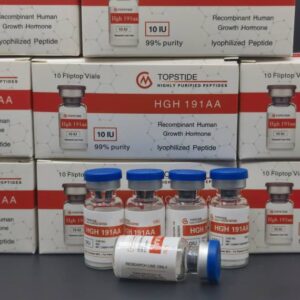
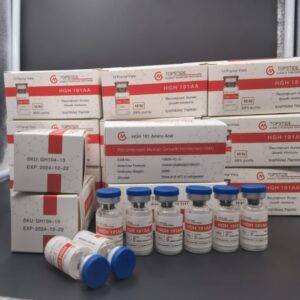

Human Growth Hormone (HGH)