
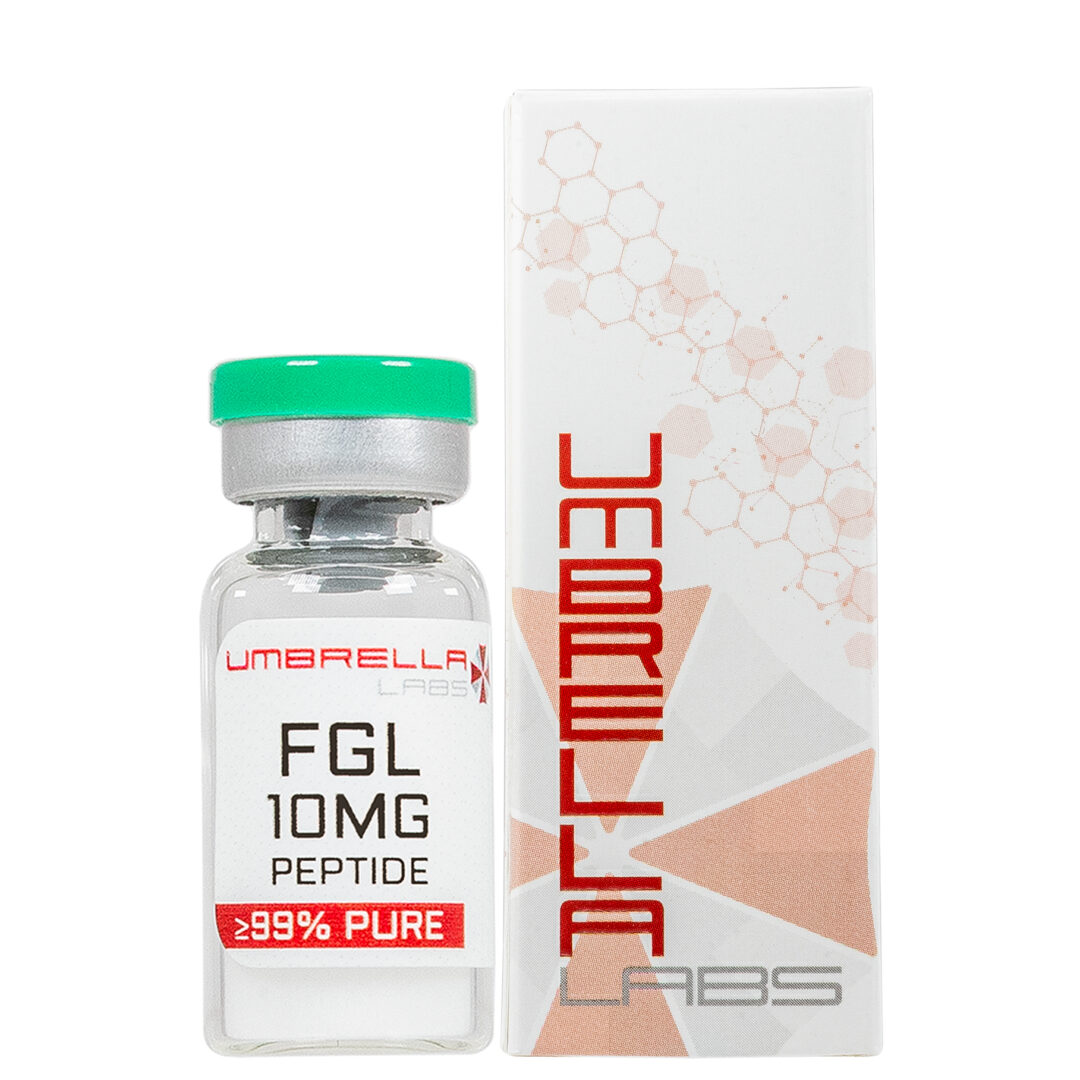
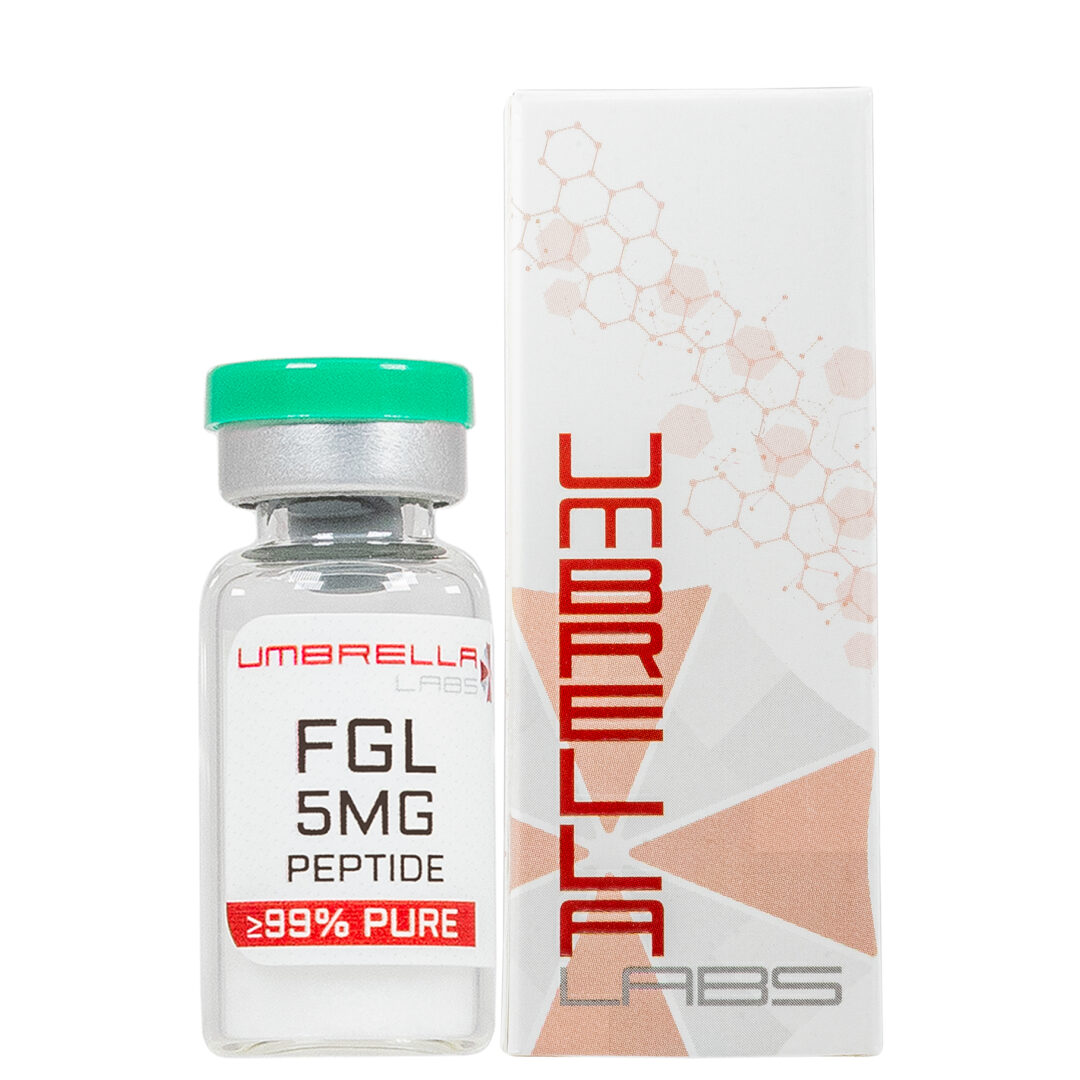
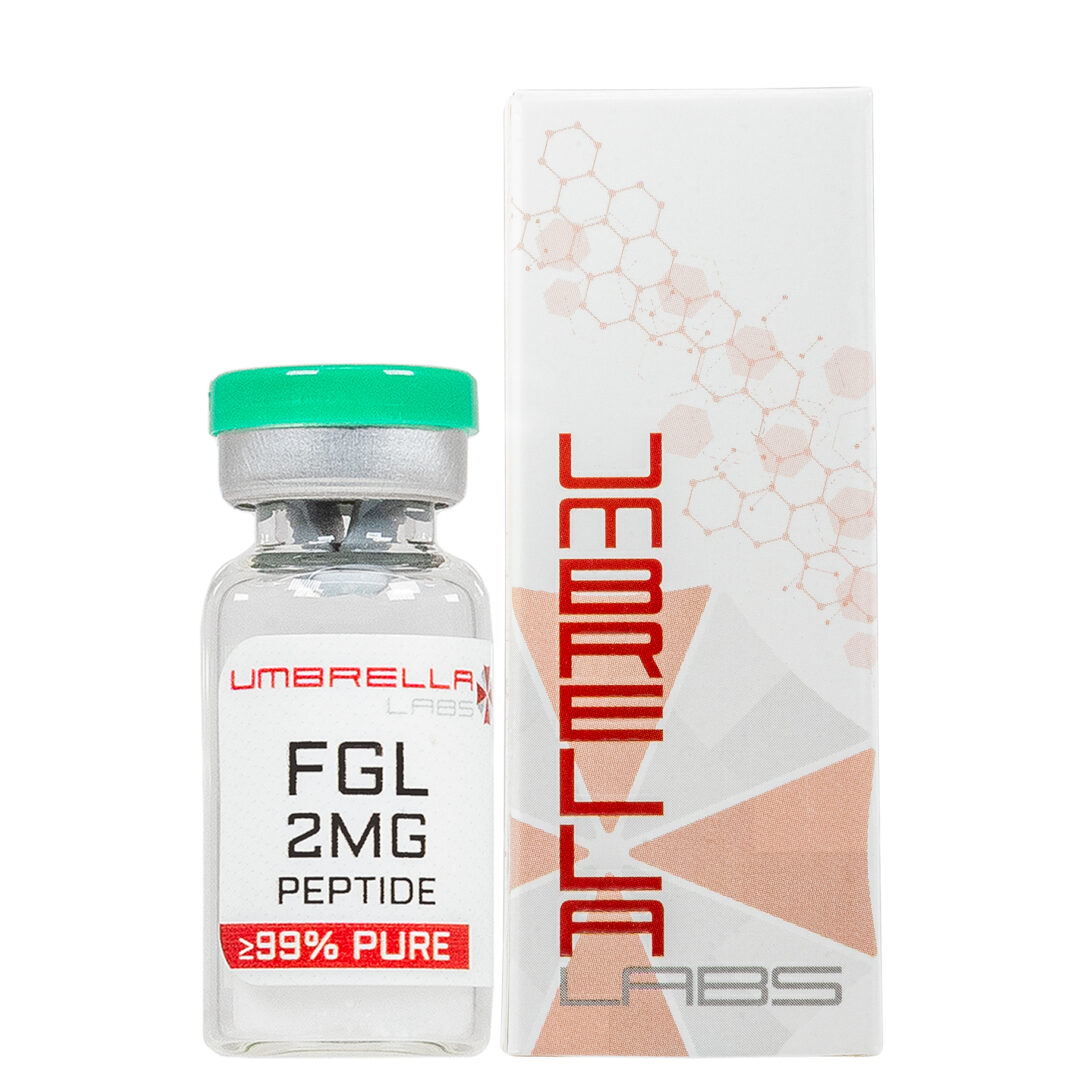
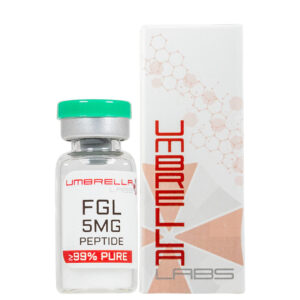
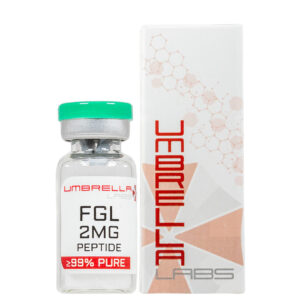
FGL Peptide 2mg / 5mg / 10mg Vial – Research Peptide for Cognitive & Neural Studies
What is FGL Peptide?
FGL Peptide is a synthetic peptide fragment derived from the neural cell adhesion molecule (NCAM). It is commonly used in neuroscience and cellular research to explore mechanisms related to cognitive function, neural regeneration, and synaptic plasticity. Researchers often study FGL for its potential role in supporting communication between nerve cells and promoting healthy neural signaling pathways.
Available in 2mg, 5mg, and 10mg vials, FGL Peptide provides flexibility for different laboratory protocols and research models. FGL Peptide 2mg / 5mg / 10mg Vial
| CAS Number | 499993-62-3 |
| Other Names | N/A |
| IUPAC Name | N/A |
| Molecular Formula | C₃H₅NO₄ |
| Molecular Weight | 119.08 |
| Purity | ≥99% Pure (LC-MS) |
| Liquid Availability | N/A |
| Powder Availability | 2 milligrams vial, 5 milligrams vial, 10 milligrams vial (lyophilized/freeze-dried) |
| Storage Condition | Store cold, keep refrigerated. Do NOT freeze. |
| Terms | All products are for laboratory developmental research USE ONLY. Products are not for human consumption. |
Potential Research Applications
FGL Peptide has gained attention in scientific studies focusing on neurological and cognitive pathways.
Cognitive Function Research
FGL is frequently examined for its role in supporting learning, memory formation, and synaptic activity in experimental models.
Neural Repair & Regeneration
Researchers explore FGL’s potential involvement in neural growth processes and recovery of damaged nerve cells.
Synaptic Plasticity Studies
The peptide may assist scientists studying how neurons adapt and strengthen connections over time.
Handling and Storage
For optimal stability, store lyophilized FGL Peptide in a cool, dry environment. After reconstitution with sterile bacteriostatic water, the solution should be refrigerated and used according to laboratory protocols.
Frequently Asked Questions (FAQ)
What is FGL Peptide used for?
FGL Peptide is primarily used in neuroscience research, particularly in studies exploring cognitive performance, neural repair, and synaptic plasticity.
What vial sizes are available?
FGL Peptide is typically offered in 2mg, 5mg, and 10mg vials to accommodate different research needs.
How should FGL Peptide be stored?
Keep the peptide refrigerated at 2–8°C after reconstitution and avoid repeated freeze–thaw cycles to maintain stability.
Is FGL Peptide approved for human use?
No. FGL Peptide is intended for laboratory research purposes only and is not approved for human consumption.
Reviews
There are no reviews yet.