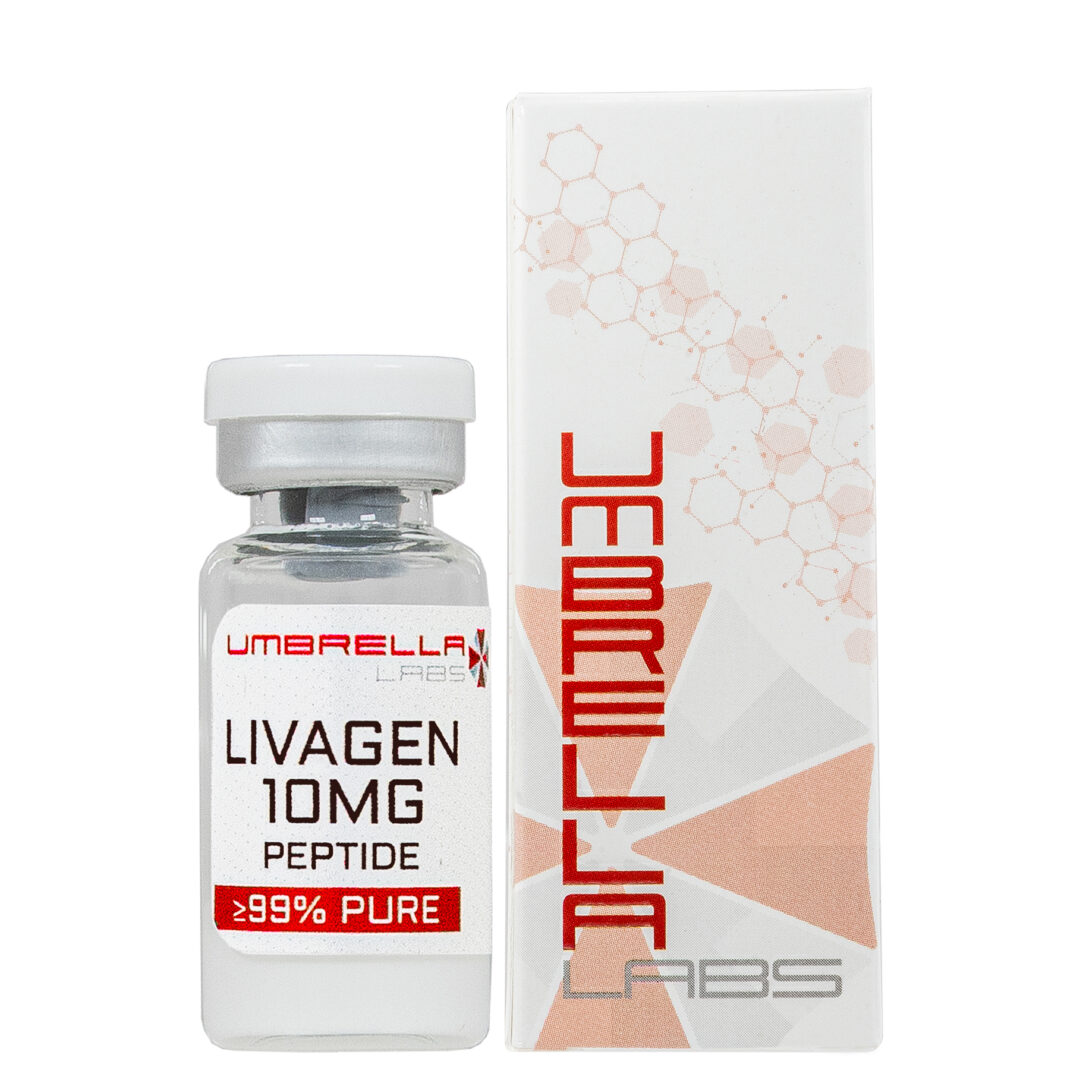
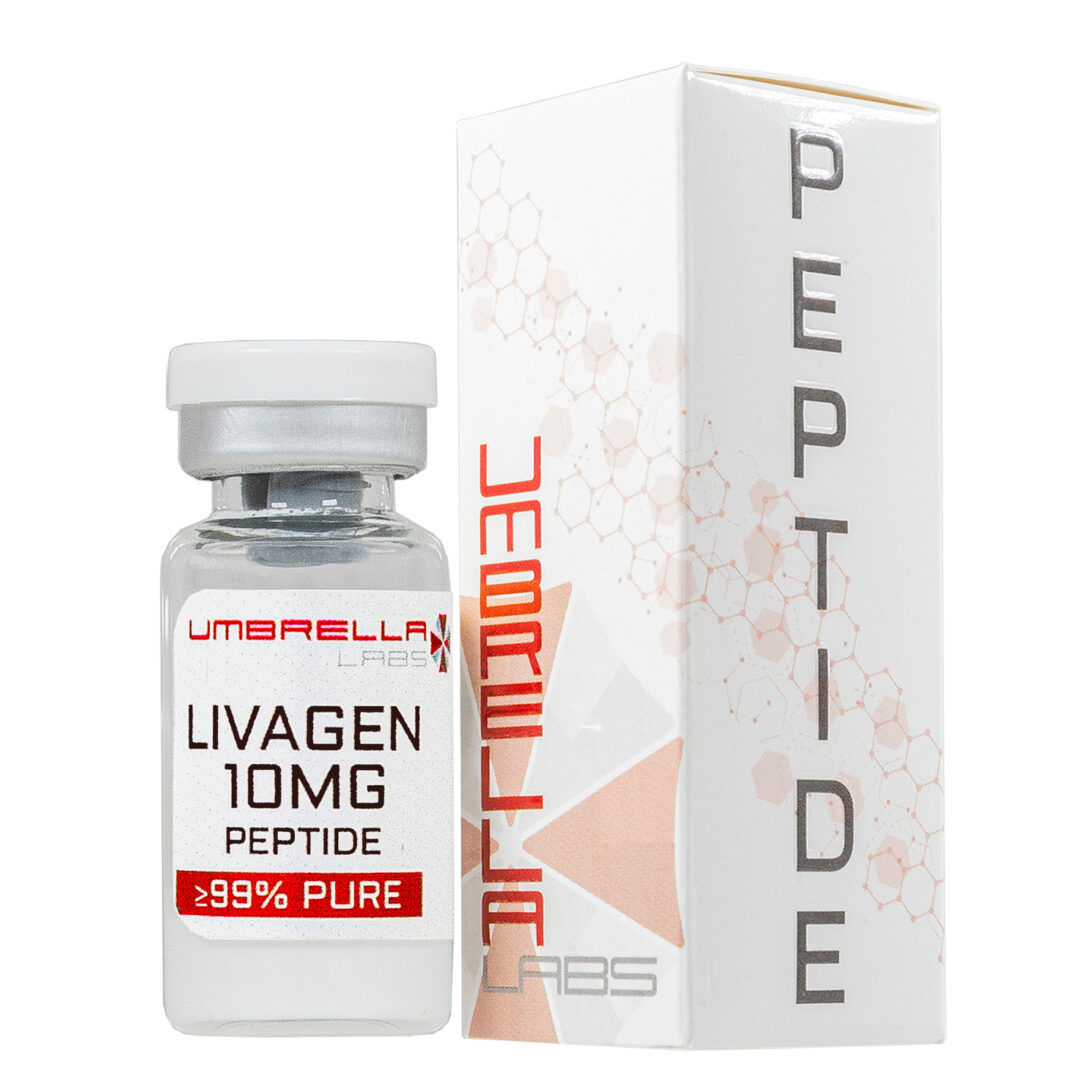
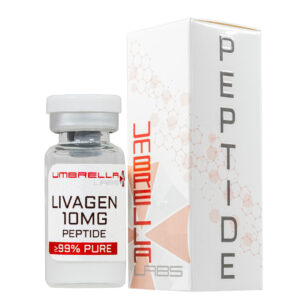
Livagen Peptide 10mg Vial
What Is Livagen?
Livagen is a synthetic peptide studied for its potential role in cellular regulation and liver-related research. In laboratory settings, it is commonly explored for its influence on gene expression and tissue-specific cellular activity, particularly within hepatic models. Livagen Peptide 10mg Vial
| CAS Number | 195875-84-4 |
| Other Names | Livagen |
| IUPAC Name | (2R,3S)-3-(3,4-Dichlorophenyl)-2-(ethoxymethyl)-8-methyl-8-azabicyclo[3.2.1]octane |
| Molecular Formula | C₁₈H₃₁N₅O₉ |
| Molecular Weight | 461.5 |
| Purity | ≥99% Pure (LC-MS) |
| Liquid Availability | N/A |
| Powder Availability | 10 milligrams vial (lyophilized/freeze-dried) |
| Storage Condition | Store cold, keep refrigerated. Do NOT freeze. |
| Terms | All products are for laboratory developmental research USE ONLY. Products are not for human consumption. |
How It Works
Cellular & Genetic Signaling
Livagen is believed to interact with pathways involved in:
- Gene expression modulation
- Cellular repair mechanisms
- Tissue-specific signaling in liver cells
Researchers use it to better understand how peptides may support cellular function and metabolic balance in controlled environments.
Why Choose a 10mg Vial?
Consistency & Research Flexibility
The 10mg lyophilized vial provides:
- Accurate dosing for experiments
- High purity for reliable results
- Versatility across multiple study designs
Its stable formulation makes it suitable for repeatable and controlled laboratory research.
Storage Guidelines
- Store in a cool, dry place away from light
- Refrigerate at 2–8°C after reconstitution
- Avoid repeated freeze–thaw cycles
Frequently Asked Questions (FAQ)
What is Livagen used for?
It is used in research focused on liver cell function, gene expression, and metabolic processes.
Is it specific to liver studies?
Yes, it is commonly explored in hepatic and tissue-specific research models.
Is it approved for human use?
No, it is strictly intended for laboratory research purposes only.
How should it be stored?
Keep refrigerated after reconstitution at 2–8°C and handle under sterile conditions.
Be the first to review “Livagen Peptide 10mg Vial”
Related products
Umbrella Labs
Umbrella Labs
Umbrella Labs
Reviews
There are no reviews yet.